 BAOYUE
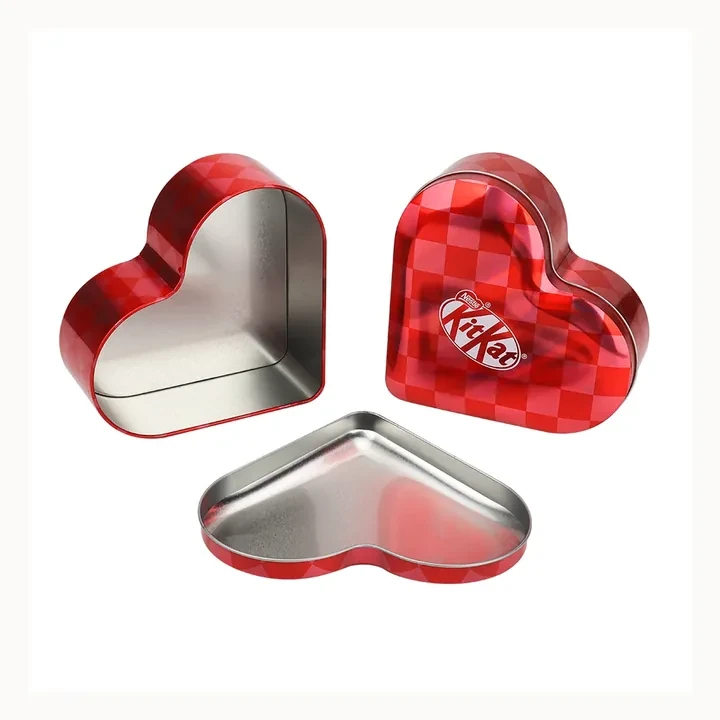
A heart-shaped tin box can give a chocolate assortment or gift set a recognizable presentation. The shape also makes the inner layout an important part of the sourcing brief. Begin with the products you need to pack, then review the tin, lid and insert as one assembly.
Confirm the lid structure and usable space
Luna Liao’s LinkedIn article discusses a heart-shaped tin with a separate lid and an inner tray. For a new project, check the proposed lid engagement on a physical sample. A close-fitting lid does not establish an airtight seal or a shelf-life claim.
Record the dimension order and whether measurements describe the outside or usable inside space. A heart-shaped outline has curved sections and a narrow lower point; arrange the actual packed pieces within the drawing before selecting a reference size.
View the heart-shaped tin reference →
Design the insert around the product arrangement
- Share the number of pieces and the dimensions of each wrapped item.
- Check the height of the filled insert against the lid clearance.
- Review removal space so the customer can lift out each item.
- Confirm the selected insert material and how it contacts the product.
- Check the packed sample under the handling and transport conditions agreed for the order.
A fitted insert and a larger empty tin solve different packaging needs. Compare them using the actual assortment, rather than selecting only by the appearance of the closed box.
Review forming, artwork and finish on the sample
Ask for a drawing that identifies the formed edges and print areas. Place small text and important branding where they can be reviewed clearly after forming. If you want a reflective effect, embossing or a particular varnish, request the proposed finish and sample route; a photograph alone does not confirm the printing process.
Compare print and finish options →
Define the food contact and inner packing
For chocolate or other food projects, describe the wrappers, tray and any surface that will touch the food. Review the applicable material documents for that exact construction and destination market. Avoid using a general tinplate description as approval for every coating, ink, insert or filling arrangement.
Review material evidence → · Browse chocolate packaging →
What to send for a quotation
Send the assortment layout, packed piece sizes, preferred tin dimensions, quantity, artwork status and destination. Include the launch or arrival date so the factory can review sampling and production requirements. Search the existing mold library before deciding whether the project needs a new structure.
Search photographed mold sizes →
Original team note
Source: Luna Liao, published on LinkedIn on 9 October 2026. This website guide develops the buyer’s specification checklist from that structural overview.