Measure the complete contents
Share actual dimensions, weight, orientation and clearance so an existing mold or custom structure can be reviewed against the real pack.
 BAOYUECAN MAKING
Request a quote ↗
BAOYUECAN MAKING
Request a quote ↗
Stationery · Art supplies · Crafts · Sewing kits
Start with every pencil, tool, material and instruction card so the outer tin and internal layout work as one repeatable packing system.
Plan a stationery or craft kit ↗Intended age group, small parts and component safety remain project-specific responsibilities. The outer tin is not presented as universally child-safe or suitable for every direct-contact use.
Pencils and stationery
Pencil length, erasers, sharpeners and instruction cards determine more than the outside shape.
A pencil tin box manufacturer needs the finished pencil length, count, diameter, accessory list and intended arrangement. Custom stationery tin packaging can use hinged, sliding, lift-off or special-shaped formats, but the internal rolled edges and lid clearance reduce the nominal outer dimensions. A physical layout prevents an attractive design from becoming difficult to pack.
Stationery sets may include pens, pencils, rulers, erasers, clips, cards and notebooks. Paperboard trays, formed inserts, elastic retainers or divided layouts can organize the contents. The intended age group and small-parts review remain part of the buyer's complete product responsibility.
Art supplies and craft kits
A clear component map supports both the unboxing experience and mass-production consistency.
Art supply tin packaging may organize pencils, crayons, brushes, dry paints, markers or drawing tools. A custom craft kit tin box can combine materials, components and printed instructions using cavities or dividers. Any liquid paint, glue or other fluid must remain inside its validated sealed primary container.
Sewing kit tin packaging can hold needles, thread, buttons, scissors and measuring tools. Sharp items need a defined retaining method and safe presentation selected by the responsible buyer. The tin and insert should be tested with all components rather than evaluated empty.
Artwork and production
Educational and creative packs often carry detailed graphics that must survive forming.
CMYK, spot colors, metallic effects, matte or gloss varnish and selected embossing can be reviewed. Fine lines, text, safety information and character artwork should stay within the approved printable zones. Rights-approved files and destination-market labeling are supplied and approved by the buyer.
For quotation, send the complete component list, dimensions, intended arrangement, age group, insert preference, quantity per design, artwork status, destination and target date. Existing molds are reviewed first when their usable internal dimensions fit the full kit.
Structure, print and packing
The product dimensions, content arrangement, insert, opening, decoration, quantity, export packing and destination market should be reviewed as one manufacturing brief.
Share actual dimensions, weight, orientation and clearance so an existing mold or custom structure can be reviewed against the real pack.
Lift-off, hinged, sliding, magnetic and special-shaped routes create different access, display and packing requirements.
CMYK, spot color, metallic effects, matte or gloss varnish and selected embossing depend on geometry, forming areas, quantity and artwork.
Existing Baoyue references
These public products demonstrate format, opening and presentation directions. Final application suitability is confirmed against the buyer's measured contents and specification.
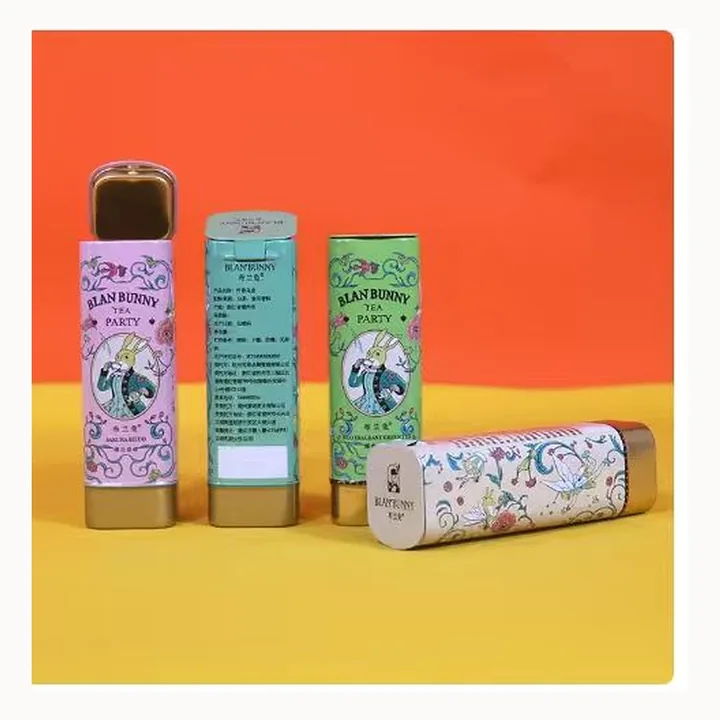 Slim format
A compact proportion for discussing small stationery, art tools or a shallow divided insert.
Specifications & pricing ↗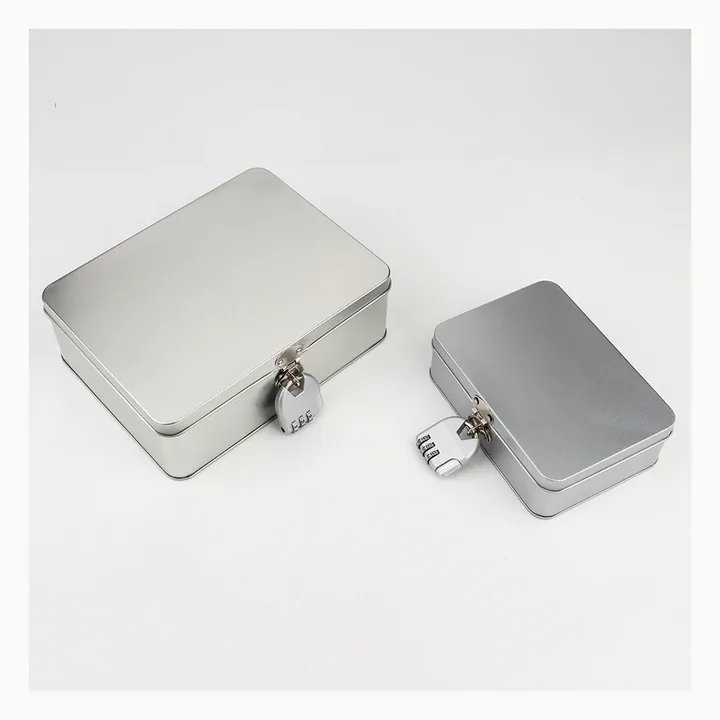 Organized kit
A deeper case direction for multi-component craft or sewing kits with fitted internal organization.
Specifications & pricing ↗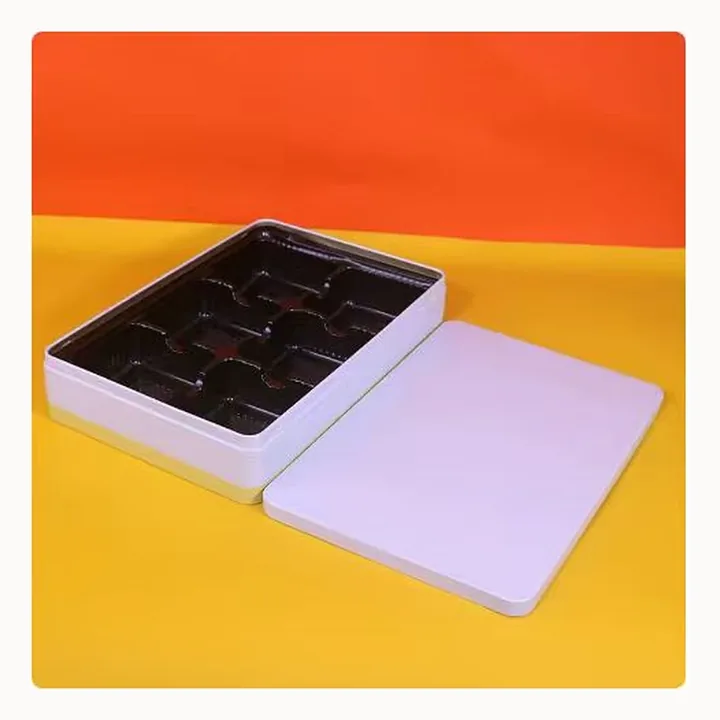 Long layout
A broad rectangular reference for reviewing pencils, brushes, rulers and layered supply arrangements.
Specifications & pricing ↗Evidence and approval
Selected supplier-side tinplate, printing-ink and coating reports can support a project document review. Relevance depends on the actual material system, decoration, end use and destination-market requirements.
The buyer should identify product-contact, restricted-substance, labeling, transport and retail requirements before material and artwork approval.
Review Baoyue's current tinplate material reports, then request the document set needed for the selected specification.
Practical questions
Clear product and market information protects both the design intent and the manufacturing decision.
Send finished pencil length, diameter, count, every accessory dimension, proposed arrangement and the required removal method.
Paperboard, molded pulp, foam, thermoformed and divided structures can be reviewed around the complete component map and packing process.
No. Liquids remain in validated sealed primary containers. The outer tin is not suitable for direct liquid contact or used as a leakage barrier.
No universal child-safety claim is made. Intended age, small parts, sharp components, labels and destination requirements must be reviewed for the complete product.
Rights-approved artwork can be reviewed for printing feasibility. The buyer is responsible for artwork authorization, labeling and final market approval.
A useful first message