 BAOYUE
A supplier search often starts with a product photo and a phrase such as “custom tin box manufacturer.” A strong search result is useful, but it cannot tell you whether a factory has a suitable mould, whether your product fits inside, or whether the quoted sample matches the production pack. Those questions belong in the supplier review.
Use this checklist when comparing factories for printed tins, gift packaging and secondary product packaging. It is also useful for packaging companies that need a manufacturing partner. The right answer depends on the actual product, quantity, artwork and destination—not a generic catalogue claim.
Start with the product and its packaging job
Describe what goes inside the tin and what the box must do. Is it an outer gift pack around sealed goods, a cookie assortment, a coffee bag holder, a perfume presentation box or a promotional kit? Add the filled weight, number of pieces, expected opening style and whether an insert is needed. A tin that looks similar in a photograph may have different usable space or lid clearance.
Browse Baoyue product references and compare formats for coffee, cookies, candy or gifts. Product photos are starting points, not approved specifications.
1. Check existing moulds before discussing new tooling
Ask the manufacturer for photographed mould references with external dimensions. If you have a reference box, send its measured size and a photo from several angles. Then ask whether an existing mould could be adapted for your print and insert plan. A mould that is close in width but too shallow for the filled product does not solve the project; a physical fit check or drawing review is still needed.
Baoyue publishes 535 photographed mould references from a wider 1,500+ mould library. The public references help narrow the search; availability and exact fit must be checked for each project.
2. Separate outside size from usable inside space
For a first brief, give the target outside dimensions and the largest dimensions of the packed product. Ask how the lid, rolled edges, seams and insert change the usable interior. For products packed in a pouch or sleeve, measure the packed item rather than the loose contents. Agree which dimensions are targets and which require approval after sampling.
3. Describe the lid and how the box will be handled
A slip-on lid, hinged lid, latch, handle or window changes both the user experience and the structure. Show the supplier how the buyer will open, carry, stack and display the finished pack. Review the opening force, hinge or hardware position, lid alignment and contact points on a sample. Decorative tins should not be assumed to be airtight or suitable for direct food contact without a separate application review.
4. Review print, finish and artwork on the real shape
Ask which panels are printable and where the seams, rounded corners and lid curl interrupt artwork. Specify the logo, colour references, finish, embossing or debossing needs, and any insert or label. Request a clear artwork approval process before mass production. A flat mock-up cannot show every effect of forming and assembly, so the physical sample matters.
See the custom tin printing and finishes guide for the questions to settle before artwork approval.
5. Ask what the quotation actually includes
A useful quotation is tied to a specific size, structure, quantity, print version, insert, sample route and delivery term. Check whether mould work, printing setup, packing and shipping are included or separate. For Baoyue, the published starting point for custom B2B orders is 5,000 pieces; the final minimum and price need confirmation against the chosen specification. Do not compare two prices until you know they describe the same pack.
Read the MOQ, pricing and tooling guide if you are preparing a budget or supplier comparison.
6. Request evidence for the actual production route
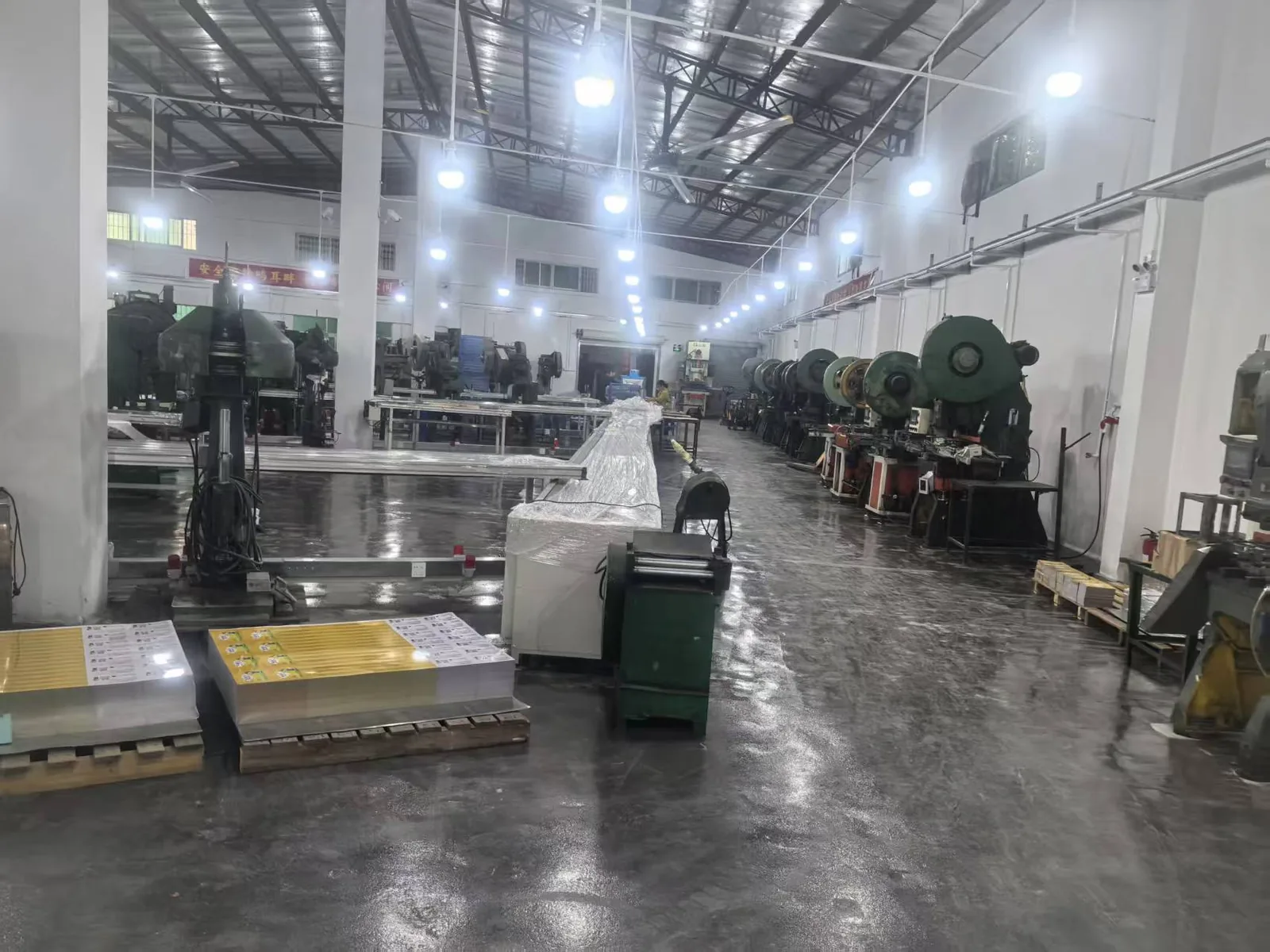
Ask to see relevant factory areas, the sample process, how artwork and dimensions are approved, and how the final tin is checked against the approved sample. If your project has food-contact, coating, export or other market-specific requirements, state the intended use and destination so the supplier can review the applicable documents. Do not treat a general factory photo or an unrelated material report as proof for your exact finished pack.
See Baoyue’s factory and material-document page for the evidence currently available.
Send the same brief to every supplier
- Product and use: what goes inside, whether it is wrapped, and whether the tin is primary or outer packaging.
- Target outside size, packed-product size, shape and preferred lid or handle.
- Reference photo, drawing or physical sample, including any insert or divider.
- Artwork versions, print finish and areas that must remain unprinted.
- Expected order quantity, destination, target schedule and any required documents.
- Questions for the sample: fit, opening, print appearance, packing method and approval criteria.
A complete first email is helpful, but you can begin with a product photo, target size and estimated quantity. The factory can then identify which decisions are missing. Keep the answers in one specification sheet so every supplier is being compared on the same basis.
Use the custom tin packaging specification checklist to prepare that sheet.
Review a Baoyue option
Baoyue is a tin box manufacturer in Dongguan, China. If you are comparing production partners, send the packed-product size, a reference image and an estimated quantity. Our team can review an existing mould reference or discuss what a custom structure would need. We will confirm fit and project details before quoting.
Explore the product catalogue · Review the factory · Email Mason Wang · Start a project